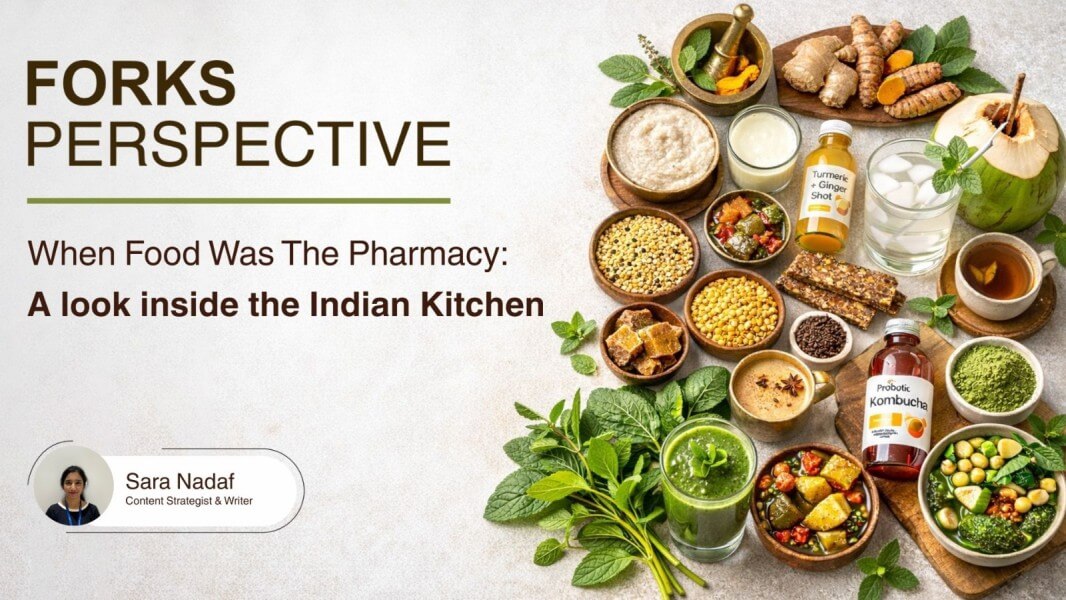
“Why Indian kitchens were the first functional food labs”
Long before food was fortified. Long before beverages were “functional.” Long before nutrition came in capsules.
There was – and continues to be – the Indian kitchen – a powerhouse.
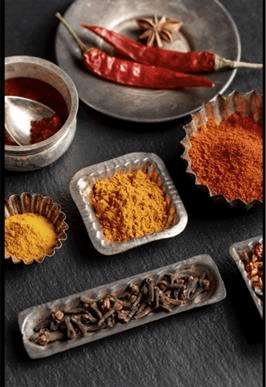
A small steel box of freshly ground spices, prepared at home by a grandmother for whom pounding ingredients in a mortar and pestle was not just about authenticity. It was about inherited knowledge – passed down through generations – to create the right balance of health, flavour, aroma and nourishment.
Indian kitchens were never just places of cooking. They were quiet laboratories solving for human conditions – one meal at a time.
The Everyday Solutions
When someone caught a cold, the answer wasn’t a trip to the chemist. It was turmeric milk.
When digestion felt heavy, cumin water or a bowl of curd appeared right after the meal.
When stress rose, tulsi tea followed.
When recovery was needed, ghee found its way into the meal.
These simple solutions existed in Indian households for generations.
Food was not separate from health. It was the intervention.
Today, we describe these same ingredients using the language of science:
- Anti-inflammatory
- Adaptogenic
- Antioxidant-rich
- Gut-supportive
- Metabolism-enhancing
But centuries ago, the outcome mattered more than the terminology.
Synergy Before We Knew the Word
One of the most remarkable aspects of Indian culinary practice is ingredient pairing.
Turmeric rarely appeared alone – it was cooked in fat. Black pepper often accompanied it. Fermented batters improved digestibility. Spices bloomed in oil to unlock their compounds.
Modern research now confirms what tradition practised: fat improves absorption of certain compounds like curcumin. Piperine in black pepper enhances bioavailability. Fermentation improves nutrient accessibility and gut compatibility.
What we call “nutrient optimisation” today was once simply good cooking.
Designing for Human Conditions – Quietly
Look closely and you’ll see that Indian kitchens were solving for very specific human needs:
Immunity: Turmeric, ginger, garlic, tulsi. Gut health: Fermented batters, buttermilk, pickles. Energy stability: Millets, pulses, ghee. Iron support: Jaggery, leafy greens, lentils. Stress balance: Ashwagandha, brahmi, warm spiced milk.
Seasonal resilience: Cooling foods in summer – coconut water; warming spices in winter – – ginger, cinnamon and cloves.
This was preventive nutrition embedded in culture.
No claims. No labels. Just practice.
From Ritual to Ready Format
Today, the same pantry ingredients are reappearing – in newer product formats:
- Turmeric and ginger shots for immunity
- Millet-based breakfast cereals and snack bars
- Adaptogenic teas with tulsi and ashwagandha
- Fermented beverages positioned for gut health
- Jackfruit and pulses in plant-based formats
- Moringa powders as an add-on in smoothies and salads
The difference is format. The philosophy remains familiar.
And all of this is now at scale.
What once simmered in a clay pot is now shelf-stable, standardised and globally distributed.
The Innovation Imperative
But translating kitchen wisdom into modern food innovation is not about romanticising the past.
It requires:
- Standardising bioactive levels
- Ensuring sensory balance
- Validating health claims
- Navigating regulatory frameworks
- Preserving authenticity while optimising scalability
This is where thoughtful R&D becomes critical.
At Thinking Forks, we often view traditional ingredients as nostalgia substantiated with data points – ingredients that have survived centuries of consumer validation.