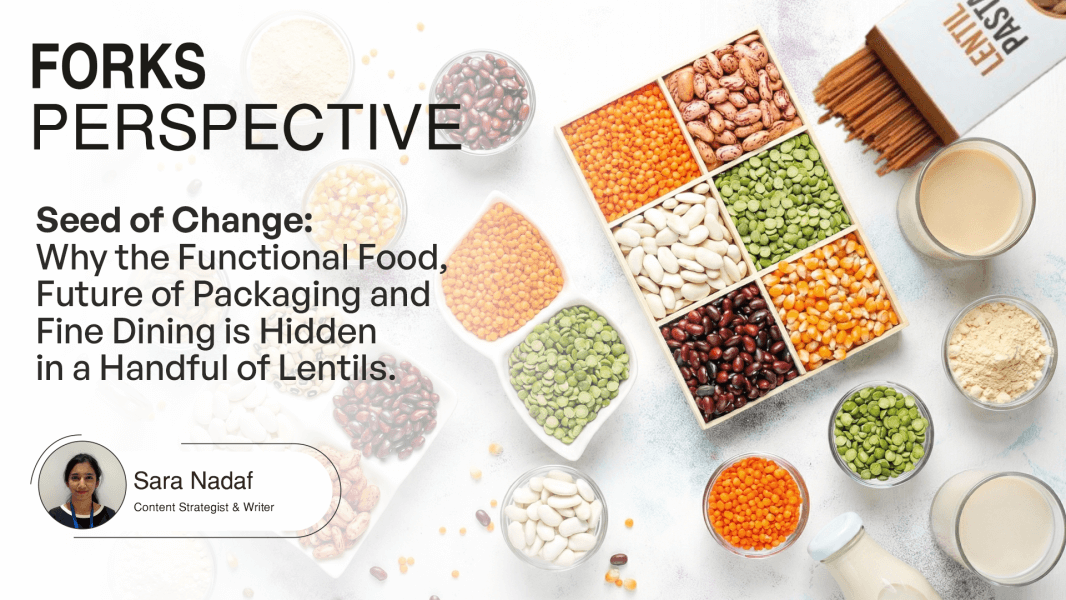
Ten thousand years ago, A traveller could tuck a handful of dried lentils into a pouch and walk across a continent. Today, as we look toward the complexities of the 2030s, we are finding that our most sophisticated solution for future innovations, yet it’s that same handful of seeds.
We often categorise pulse: beans, chickpeas, lentils, and peas, as “Superfood.” Cause they are masterpieces. While the modern world struggles with the “protein gap,” pulses have been quietly perfecting the art of nutrient density.
They are one of the few foods that offer a massive protein payload alongside a complex fibre matrix that stabilises blood sugar for hours. Pulses are the ultimate “cheat code”: But the true brilliance of the pulse is revealed when it finds its perfect partner. Reaching their full potential peak when paired with a splash of dairy, a handful of nuts, or lean meats, forming a solid meal portfolio.
The benefits are felt almost instantly: sustained energy without the mid-day crash, high satiety that makes “rapid results” feel effortless, and a digestive rhythm that feels optimised rather than heavy or bloated.
The true “plot twist” in the story of pulses is their versatility outside the pot. We have an era where pulses are being “deconstructed” into revolutionary formats:
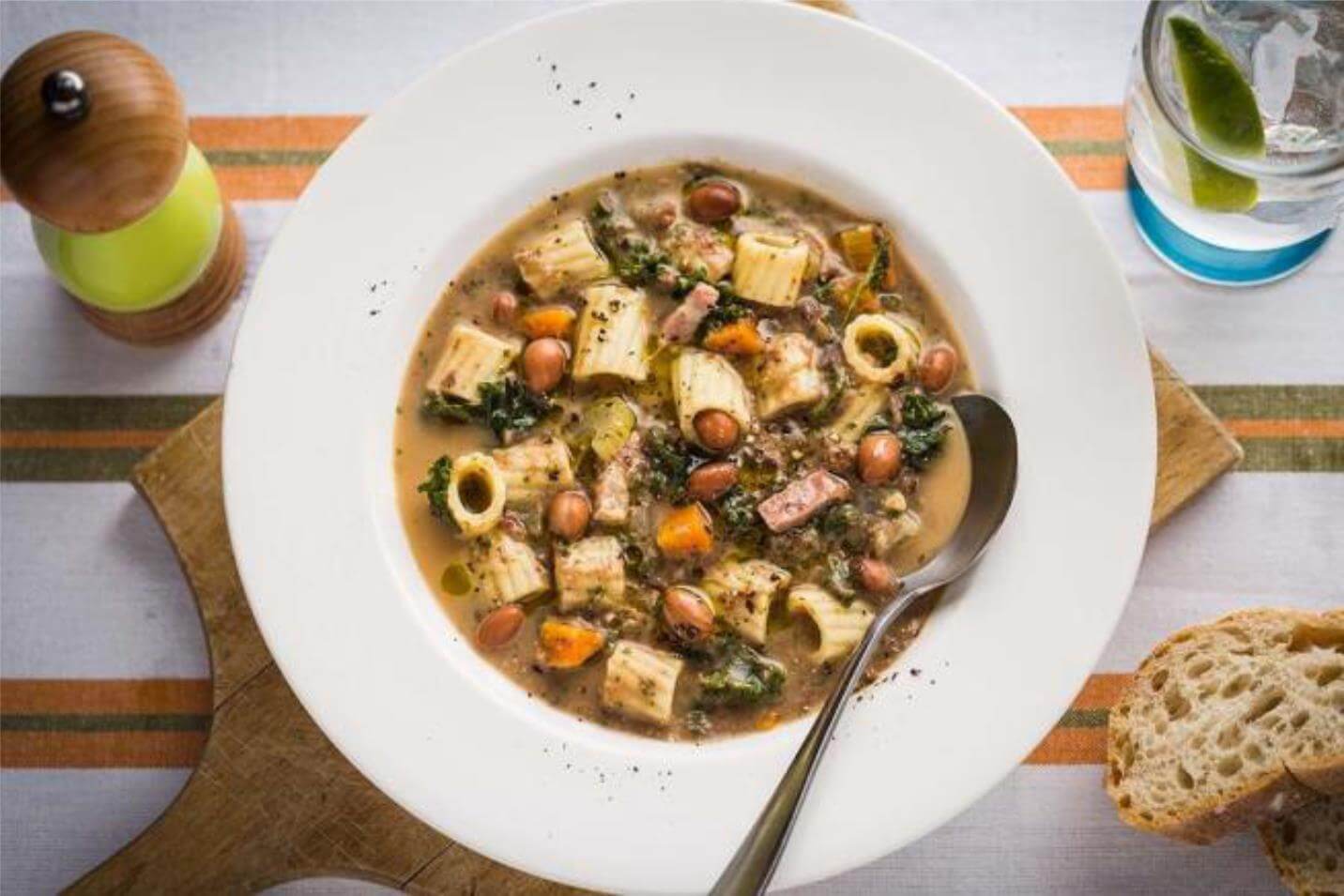
- Pulse flours are replacing refined grains, turning pasta and bread into high-protein functional foods without changing the flavour.
- Plant-based milks as a series of trade-offs, but rather than choosing between nut-based or pulse-based milks, we are seeing them join forces to offer a complete alternative to animal dairy. Think of it as a specialised “dream team” for your pantry: while nut milks provide that beloved, delicate silkiness we crave in coffee, pulse milks (like those from peas or faba beans) bring the structural “backbone” and rich protein depth that plant-based options often lack. Together, they bridge the gap giving you the froth, the flavour, and the nutrition of traditional dairy without the compromise. So, no more arguments on finding a “substitute”; it’s about building a better, more functional glass of milk.
- Also one of the most exciting breakthroughs is in the realm of structure and coagulation. By isolating pulse proteins (specifically from yellow peas and faba beans), innovators are creating plant-based “blocks” that mimic the melt, stretch, and firm bite of dairy cheese. This “cheese-block” quality allows for allergen-free, high-protein alternatives that slice and grate just like the real thing.
Now what if I tell you the most nutritious part of your next meal is actually the wrapper?
It’s actually a “professional” trick pulses pull off through their relationship with the soil. the same starch that makes these wrappers possible comes from a plant that behaves differently than any other; unlike almost every other crop that takes nitrogen from the earth, pulses give it back. They are “nitrogen fixers,” meaning they act as a natural fertiliser for the next generation of crops.
- Edible Wrappers: Pulse starches are being used to create dissolvable, edible seasoning packets and transparent films.
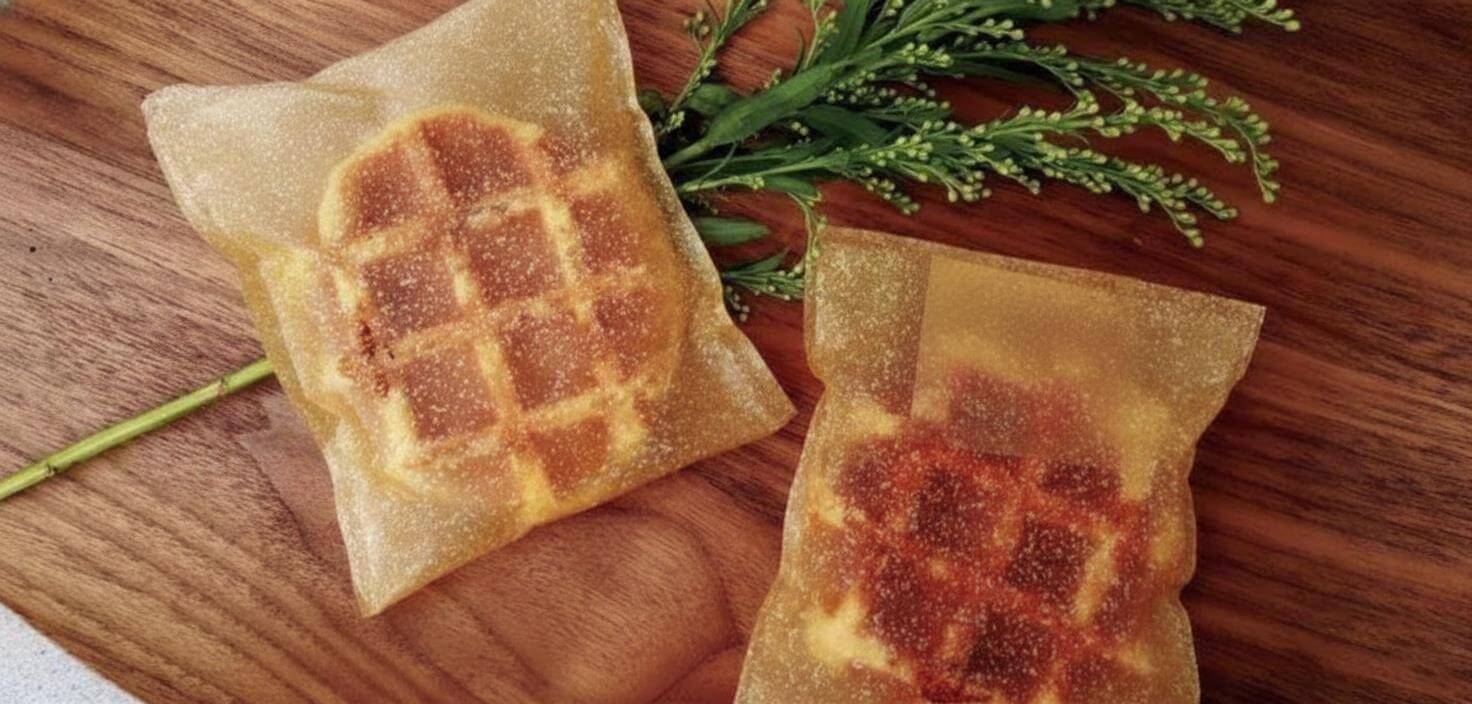
- Sustainable Textiles: Pulses are even finding their way into biodegradable packaging and sustainable textiles. Their starch profile allows for innovations that could eventually phase out single-use plastics.
- Zero-Waste Loops: This creates a circular economy where the “waste” from protein extraction is turned into compostable packaging, effectively phasing out single-use plastics with a material that enriches the soil rather than polluting the ocean. So by choosing them, we aren’t just eating better; we are participating in a planetary cooling system.
Moving towards Culinary, a domain which is always an evergreen, some or the other innovation keeps happening in loop, we see a split: on one hand professionals are isolating specific proteins to create meat textures that are indistinguishable from the real thing yet require a fraction of the water. While on the other hand in high-end five-star cuisines:
- Using Aquafaba (the viscous water from cooked chickpeas), chefs are creating vegan macarons, mousses, and soufflés that are lighter and more stable than those made with eggs. It is now considered a “functional liquid” rather than a by product.
- Pulse “Caviar”: Through a process called spherification, chefs are turning flavourful lentil or pea reductions into tiny, translucent “pearls” that pop in the mouth, adding a burst of concentrated earthy flavour to gourmet salads or seafood dishes.
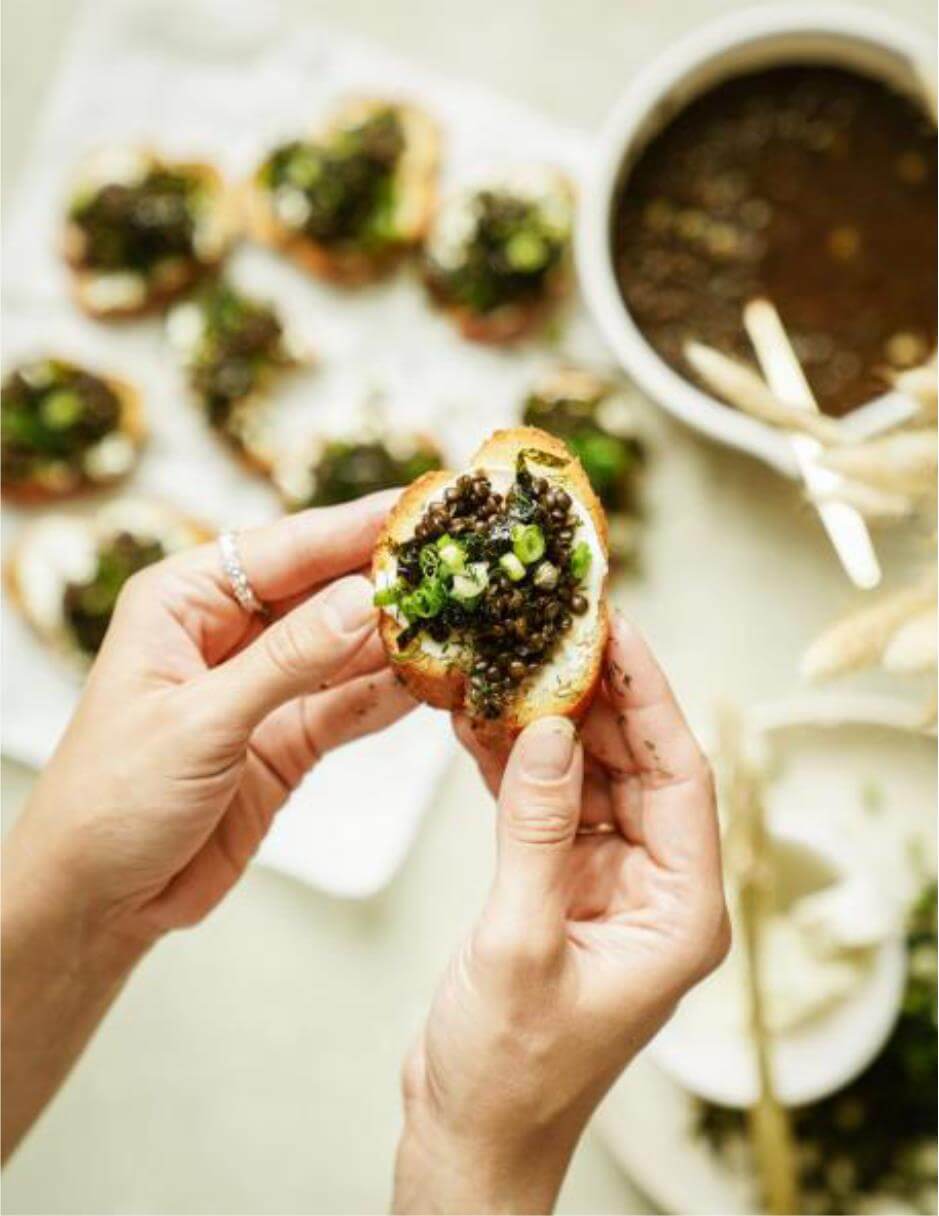
- Velvet Purees: High-pressure processing (HPP) allows chefs to create chickpea or faba bean purees with a “silkiness” that traditionally required massive amounts of butter, achieving luxury textures with a fraction of the fat.
Isn’t it just amazing how a seed is designed so well that it has n number of potential and impacts huge in our day-to-day life? In a world searching for complex answers to health and climate change, the humblest solution has been sitting in our pantries all along. Whether you are looking to upgrade your diet this week or sustain the planet for a century, the pulse is your most reliable ally.
That said, wishing you a Happy World Pulses Day! Let’s celebrate.