Here’s something I’ve been thinking about lately: Breakfast cereal deserves a second look. Because this category has changed far more than most of us realize.
For as long as any of us can remember, the pitch has been simple: a cardboard box on the kitchen table, aimed at families eating breakfast together. But honestly, this routine seems to barely exist anymore.
Here’s a stat that made me pause: 63% of breakfast eaters aged 18-34 say they don’t prefer eating a full breakfast (Food Dive, “Breakfast food is breaking free of the morning routine,” April 2026, citing Mintel). We’re not talking about a niche group skipping meals – that’s much of an entire generation telling us the “sit down and eat breakfast” moment just isn’t how they live anymore. And if the very idea of “a meal” is coming apart at the seams.
As a team of food innovators, we don’t see this as a problem for the category instead as one of the best growth opportunities.
We’re Watching as Cereals Get “Snackified,” and I’m Into It
If you ask me what one of the biggest forces reshaping this category is, I’d say it’s snackification.
A couple years back, the innovation was mostly about making cereal more portable and grab-and-go. But what’s happening now feels different – younger people have genuinely shifted into eating on a fluid, whenever-I-want schedule rather than three defined meals a day. (Food Navigator-USA, “Is breakfast still a meal? How consumer behavior is reshaping the category,” February 2026, citing Mintel’s 2025 Consumer Approach to Breakfast report)
Think about it from your own life, hybrid work, chaotic schedules, everyone wanting convenience over ceremony. Cereal has basically been let off its leash from the breakfast table. Now it shows up as your 3pm slump snack, your post-gym recovery bite, or the thing you’re eating standing at the counter at 11pm because nothing else sounded good.
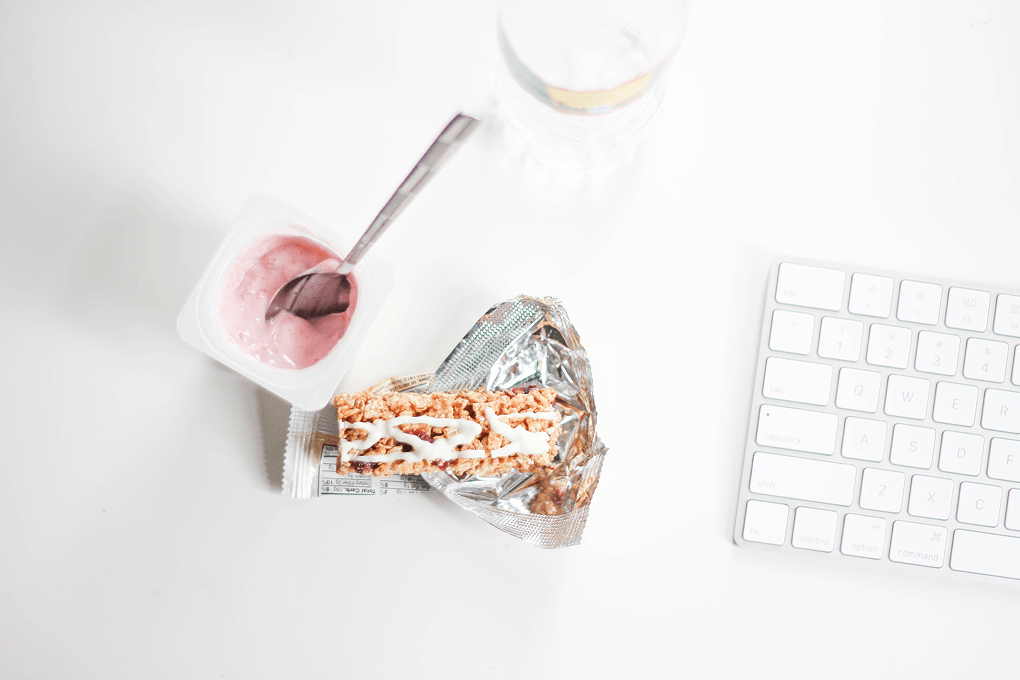
General Mills saw this coming. While Cheerios and Cinnamon Toast Crunch remain breakfast staples, the company is increasingly positioning its portfolio for occasions that stretch well beyond the morning – from between-meeting snacks to after-school bites. Through Nature Valley, it has built a portfolio of granola, protein granola, and snack bars that bring whole-grain nutrition into portable, all-day formats. Meanwhile, brands like Tata Soulfull and Yoga Bar are expanding their functional food portfolio with protein-forward cereal to appeal to active, health-conscious consumers.
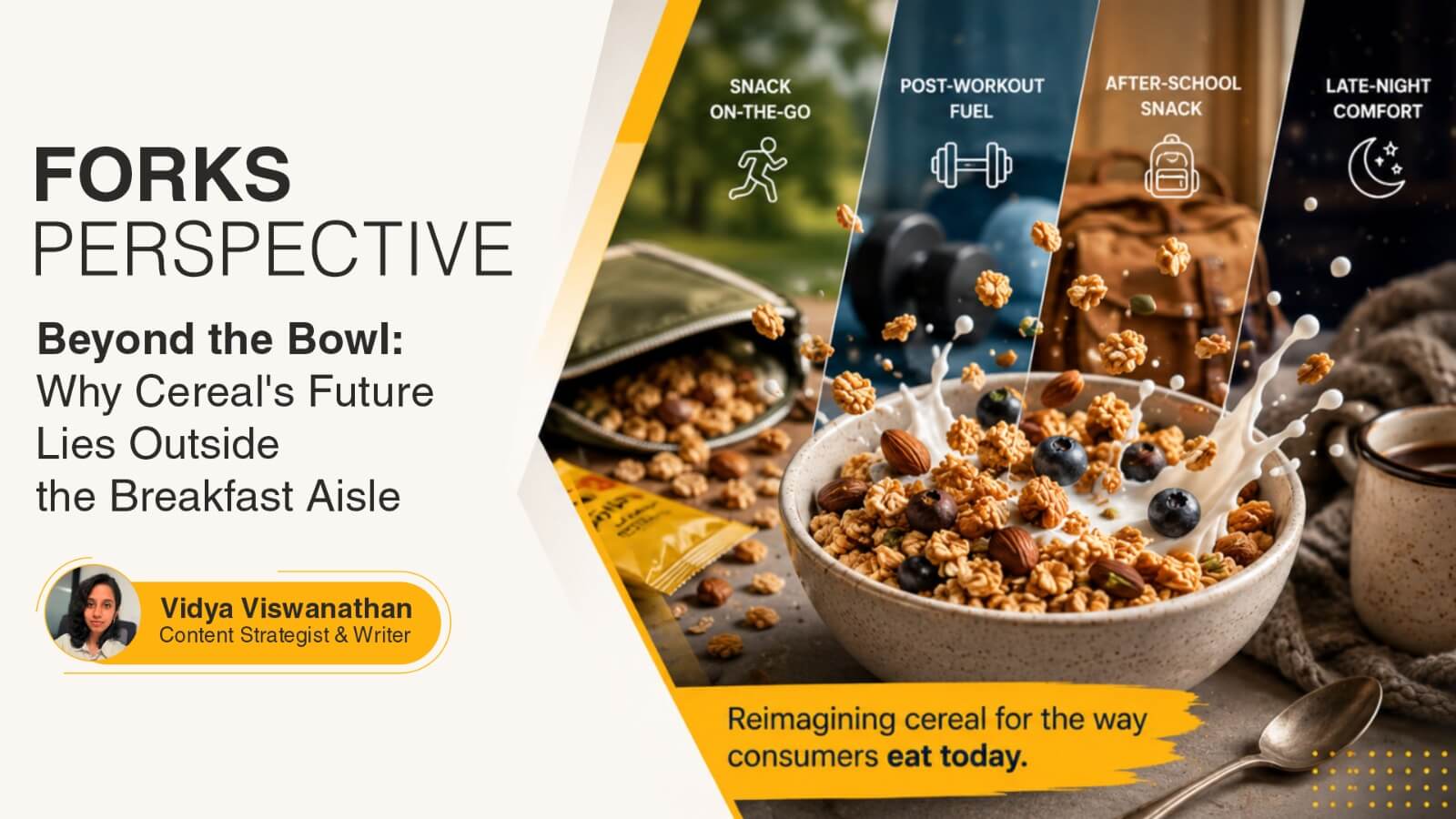
My take: brands that win here are the ones who stop treating cereal as a single-occasion food and start designing it to slot into a dozen different little moments across the day. Here are occasions we should be building for:
- Mid-morning snack
- Post-workout fuel
- Desk snack
- After-school snack
- On-the-go meal
- Dessert
- Late-night comfort food
- Shareable snack
- A versatile ingredient/topping
Re-Engineering the Modern Snack Cereal
- Engineering Texture as an experience: Brands are increasingly using multiple textures and inclusions to create more engaging eating experiences. Our recipe developers got to think in crisp shell, crunchy inclusions, chewy fruit pieces, creamy coatings or clusters that fracture differently during eating.
Innova Market Insights (2026) highlights that brands are using inclusions such as fruit pieces, cookies, chocolate chips, marshmallow, nuts and dried fruits to create greater textural and visual appeal, helping differentiate products and keep consumers engaged.
- What’s changing in formulation strategy? Product developers are increasingly combining functional ingredients—including oats, whole grains, ancient grains, prebiotic fibres and natural sweeteners—to deliver health benefits, cleaner labels and stronger consumer appeal.
- As sugar is getting re-engineered out, prebiotic and soluble fibres are being ushered in. Not only do they add to fibre content, they also contribute to bulking and appearance.
- High quality plant and dairy protein ingredients with bitter masking tech, optimized hydration help deliver protein boost without compromising taste.
- Formulating using better bioavailable forms and innovation in encapsulation is helping better micronutrient fortification.
Packaging Is Becoming Part of the Product, Not Just a Box
Packaging is becoming a feature of the modern cereal experience, not just a vessel for it:
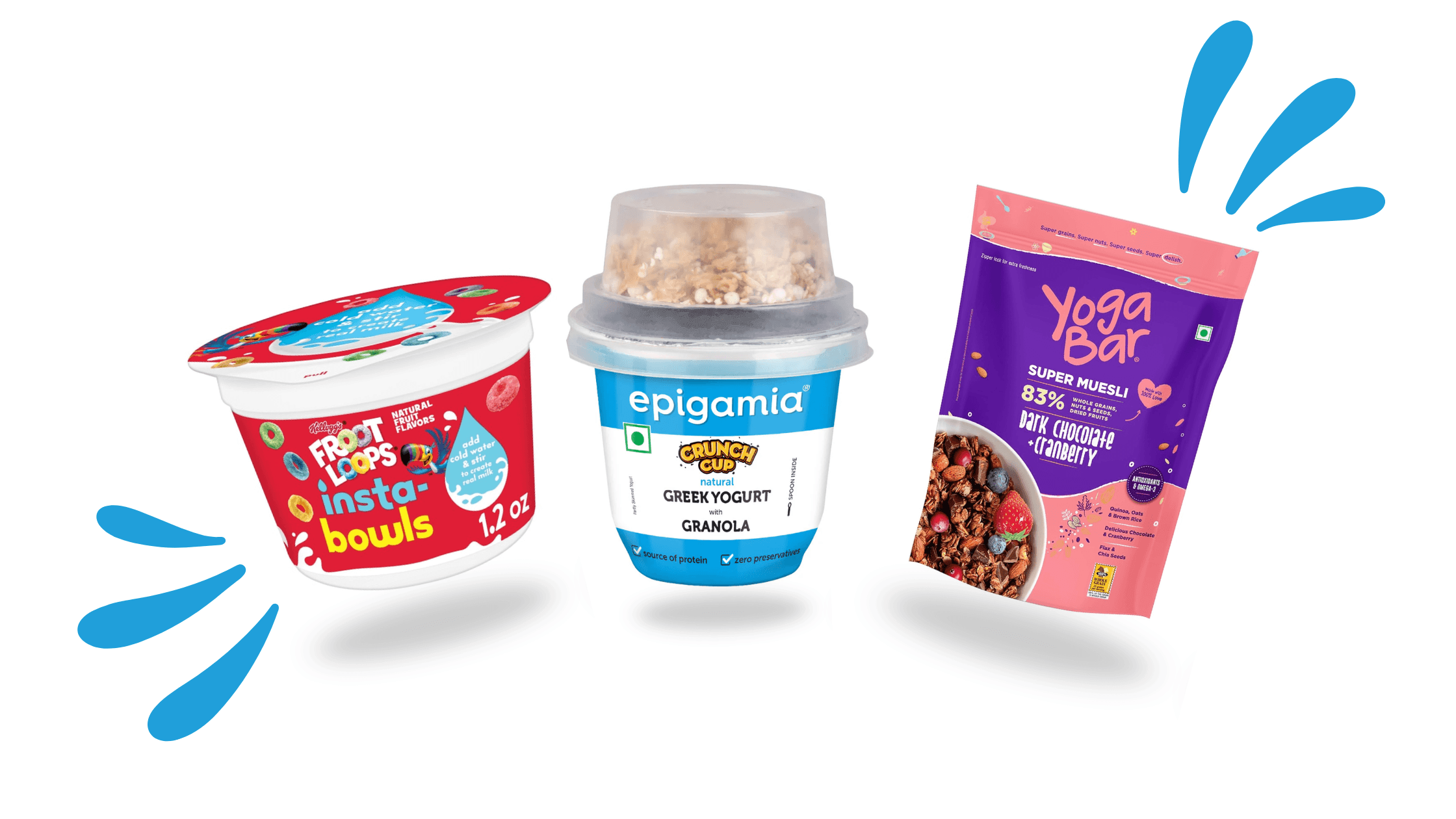
Tiny nano-packs and pillow pouches. This one would be huge in price-sensitive markets like India. Small, cheap, single-serve packs make cereal an easy impulse buy and get it into convenience stores it wouldn’t otherwise reach. Smart way to win first-time trial.
Nitrogen-flushed stand-up pouches replacing the box. Less oxygen exposure means less oxidation, which means the cereal stays crunchy and flavourful longer — and the resealable pouch is just objectively more practical for snacking on the go than a cardboard box with a plastic bag inside.
Dual-compartment packs enabling new consumption occasions. Rather than simply protecting the product, formats such dual compartment granola-yougurt packs, are designed to preserve texture and support grab-and-go eating – some even come with built in cutlery.
It is interesting to look at Self-Contained Cereal Cup (just add milk or water) formats for the portion-control and single serve convenience audiences.
Kellog’s had created a smart packing solve on these lines – Kellogg’s Insta-Bowls take single-serve cereal cups a step further by packing in milk powder alongside the cereal -just add cold water to the fill line and stir.
Future of Cereal Tastes Like the Past?
Here’s where I think things get genuinely creative. Once cereal leaves the bowl and enters “snack” territory, the standard honey-and-fruit flavour profile just doesn’t hold up anymore.
I’m seeing a lot of “kidult” flavour plays – nostalgic, dessert-inspired profiles and licensed flavour partnerships aimed at adults chasing that “dessert o’clock” feeling, positioning cereal as a legitimate stand-in for a cookie, ice-cream or a candy bar.
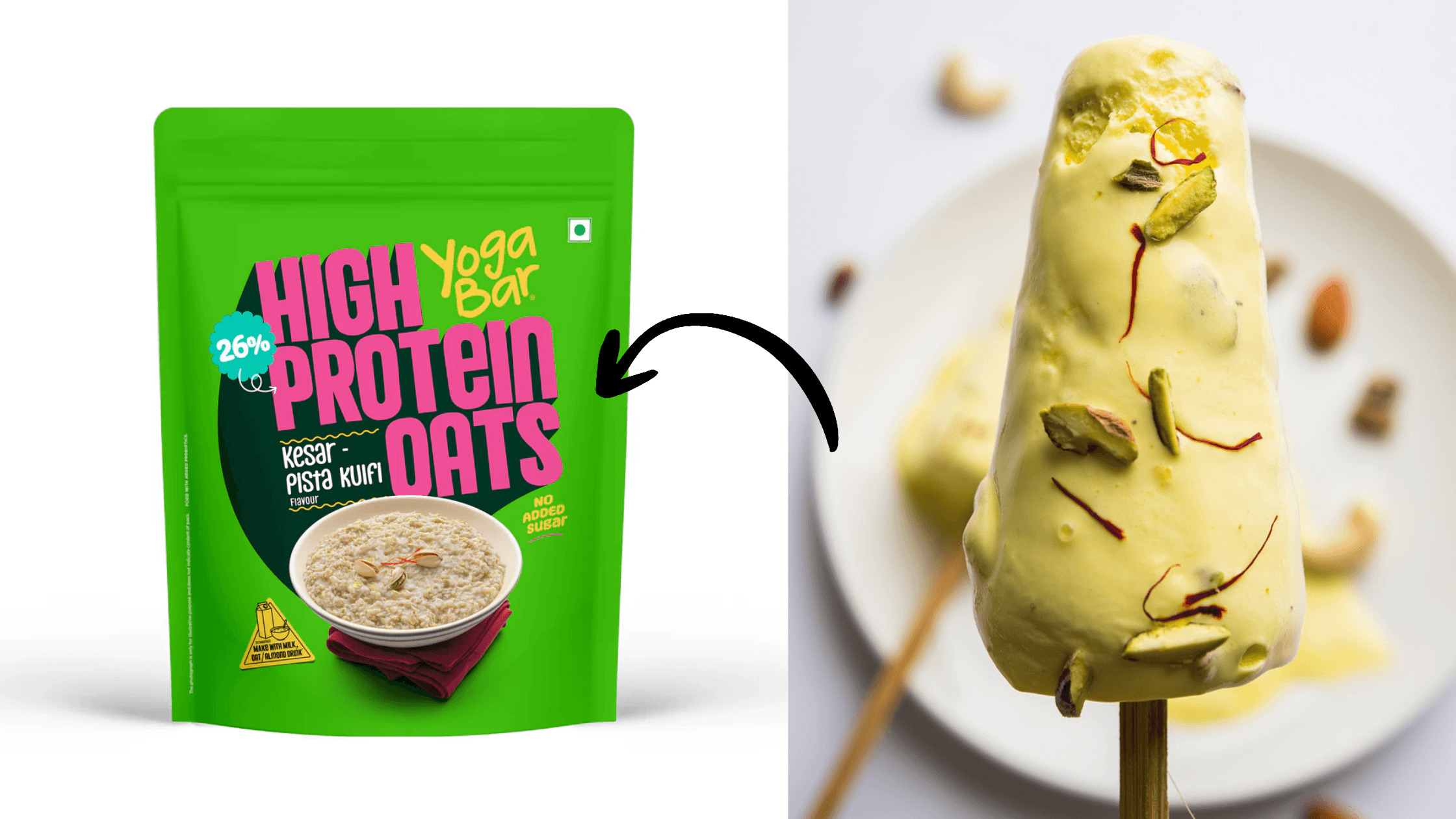
I’m noticing brands thinking beyond sweet, too:
- Sweet-savoury mashups – salted caramel, even mom’s masala – that scratch a savoury itch while still feeling recognizably “cereal.”
- Warm spice and botanical flavours – cardamom, lavender-vanilla, matcha – clearly aimed at wellness-minded Millennials and Gen Z who want something that feels a bit more grown-up and calming than a kids’ cereal.
In my opinion, balancing the familiar with the novel is key – bringing back the flavours consumers grew up with while reimagining them through unexpected formats.
One-Size Doesn’t Fit All – Here’s Who Brands Need to Design For
The market is fragmenting hard, and honestly, I think that’s a good thing for consumers. Instead of chasing a dozen micro-segments, I’d group the opportunities into broader buckets:
- Performance & function seekers (Gen Z/Millennials, athletes, GLP-1 users) – high-protein, high-fibre, low-sugar formulas built around adaptogens, nootropics, probiotics, and recovery, in portion sizes that make sense.
- Healthy aging & women’s nutrition – fibre-rich, heart-healthy cereals fortified with iron, calcium, vitamin D, and folate to support long-term health and hormonal wellness.
- Clean-label & whole-grain eaters – multigrain, plant-based, allergen-conscious, and gluten-free options for anyone prioritizing simple, real ingredients.
- Premium & indulgence seekers – gourmet flavours and mix-ins for people who want cereal to feel like a treat, not a compromise.
- Kids and families – reduced-sugar, clean-label cereals that are still fun and kid-friendly.
- Busy, on-the-go eaters – grab-and-go, portion-controlled formats built for convenience above everything else.
Working day in, day out with food and beverage brands, from early-stage formulation through to shelf-ready launch – our view on this shift is that the winners will be defined by how well a brand can align format, function, and flavour to a specific consumption occasion.
Whether you’re dreaming up something new or reimagining a cereal brand, we’d love to talk. Reach out to us at www.thinkingforks.com and explore more about our new product development process approach at https://thinkingforks.com/new-food-product-development/.