Why Protein Has Moved from Fitness to Everyday Nutrition Priority
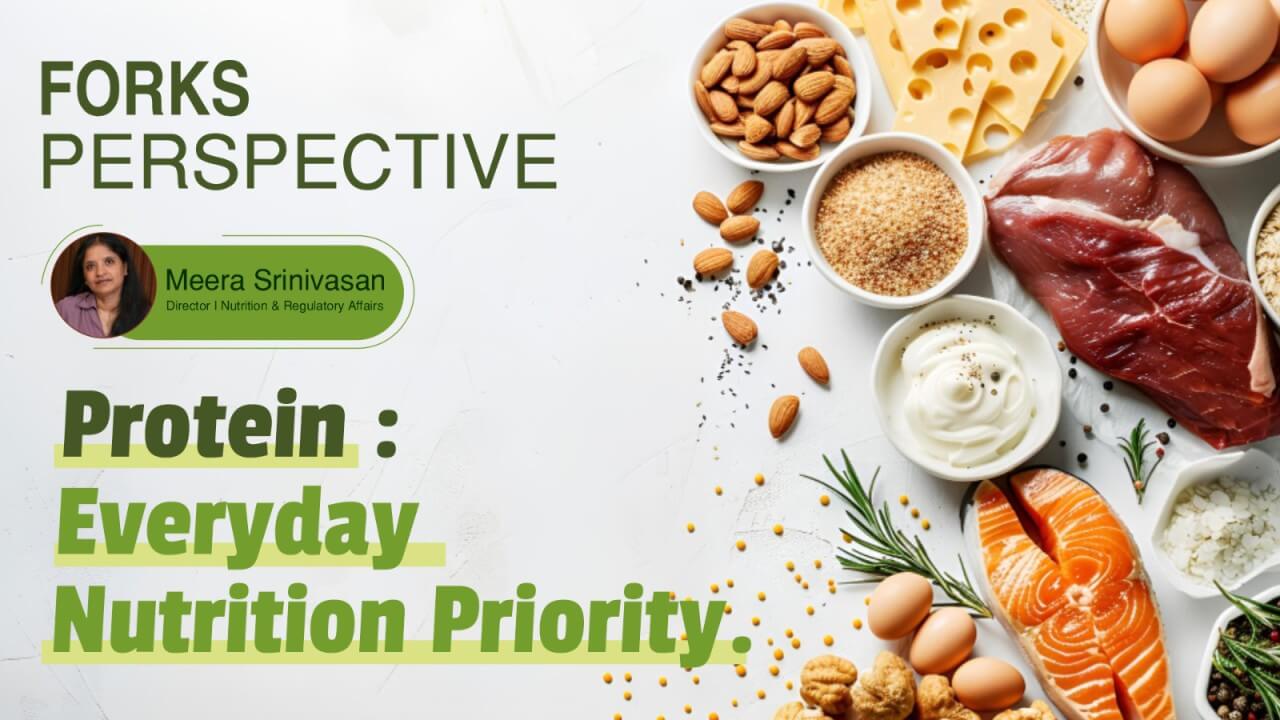
Protein has been associated with gyms, muscle gain, and athletic performance. Today, that narrative has shifted. Protein is now firmly part of everyday functional food nutrition conversations, showing up across food & beverage product categories and health discussions. This shift reflects changing health realities, evolving science, and growing awareness of metabolic health.
Present in every cell of the body, protein enables basic biological functions. After water, it is the most abundant nutrient in the human body, forming muscles, bones, skin, hair, enzymes, hormones, and immune molecules. Simply put, without adequate protein, growth, repair, and long-term health cannot be sustained.
Why protein matters beyond muscle
Protein plays multiple, interconnected roles:
Tissue growth, maintenance, and repair: supporting muscles, bones, skin, hair, and nails
Brain function: neurotransmitters are derived from amino acids, influencing focus and cognition
Oxygen transport: haemoglobin, which carries oxygen in the blood, is a protein
Core body processes: fluid balance, nutrient transport, and muscle contraction depend on protein
Hormones, enzymes, and immunity: many regulatory molecules and antibodies are protein-based
Energy contribution: protein provides four calories per gram
Protein is not a niche nutrient. It underpins growth, functionality, and healthy ageing.
The Indian dietary context
Despite its importance, Indian diets have traditionally been high in carbohydrates, with protein often playing a secondary role. This pattern remains relevant today.
Findings from the recent IndiaDiab Study, published in Nature Medicine, highlight a critical insight: Indians derive nearly 62 percent of their total calories from carbohydrates, while average protein intake remains around 12 percent. Interestingly, replacing cereals alone does not reduce diabetes risk.
The problem isn’t rice vs. wheat; it’s how much we eat. Substituting one cereal for another doesn’t lower diabetes risk. Replacing even 5% of daily calories from carbs with protein can make a meaningful difference. Plant based proteins from pulses, legumes, and dairy (fermented or nonfermented) were linked to a lower likelihood of newly diagnosed type 2 diabetes. Animal proteins did not show the same benefit, except for egg and fish.
Protein, GLP-1, and why adequacy matters
The rise of GLP-1–based therapies for weight management and diabetes has further changed how we think about protein. These therapies often reduce appetite and total food intake. When people eat less, the risk of inadequate protein intake increases.
In this context, protein becomes critical to support lean mass, functional strength, and nutritional adequacy, especially when portion sizes shrink. This has also influenced food innovation, with more protein-forward everyday functional foods entering the market, not as medical products, but as part of normal eating occasions.
Understanding protein quality
Proteins are made of amino acids, nine of which are essential and must come from food.
Complete proteins contain all essential amino acids and are commonly found in milk, curd, paneer, eggs, fish, and meat.
Plant proteins, found in cereals, pulses, legumes, nuts, and seeds, can provide high-quality protein when consumed in complementary combinations.
Traditional Indian meals such as dal with rice or roti, curd with paratha, or bread with peanut butter illustrate how everyday food combinations can deliver balanced protein without specialised products.
Equally important is distribution across the day. Since the body does not store protein efficiently, spreading intake across meals and snacks supports satiety, energy, and metabolic health.
When Protein Comes in a Scoop
Protein supplements are not inherently problematic and can be useful in specific situations. However, they are not essential for most people. Balanced diets built around whole foods provide protein alongside fibre, micronutrients, and bioactive compounds that supplements cannot replicate.
India’s new dietary guidelines, released by the ICMR, emphasise obtaining good-quality protein and essential amino acids through appropriate food combinations and caution against routine use of protein supplements for muscle building. The concern is less about protein itself and more about indiscriminate, long-term use without dietary context.
The bigger picture
Protein’s rise from fitness to everyday priority reflects a broader shift toward metabolic health, functional nutrition, and long-term wellbeing. The opportunity lies not in extremes, but in thoughtful choices.
Unfortunately there are no shortcuts in nutrition. Progress comes from gradually learning how to balance the plate, diversify food choices, and including protein consistently across meals.